
Central College Station, nestled in the very heart of College Station, Texas, is much more than a geographic midpoint—it’s a vibrant district where stories, traditions, and ambitions intersect. For longtime residents and newcomers alike, the neighborhood’s history and heritage deliver both pride and a profound sense of belonging. Let's take a journey through time to discover how Central College Station blossomed from prairie land into the bustling, family-friendly core of Aggieland that it is today.
The Origins of Central College Station
Before roads crisscrossed its landscape and homes filled its lots, the area we know as Central College Station was characterized by open acreage, dotted with oak trees and grazing cattle. The roots of Central College Station’s identity can be traced to the very formation of College Station itself in 1938, centered closely around the main campus of Texas A&M University.
The neighborhood’s centrality isn’t just a matter of convenience—it's embedded in its name. "Central" refers to its position: bordered to the north and east by Texas A&M, to the south by Southwest Parkway, and to the west by Texas Avenue. This placement made it a natural crossroads for students, faculty, and families alike. Its proximity to campus shaped the neighborhood's residential and commercial character from the start.
Key Historical Milestones
- 1940s–1950s: In the wake of Texas A&M’s expanding influence, Central College Station began as modest developments along streets like Montclair Avenue, Dexter Drive, and Glade Street. These early homes, many of which still stand today, reflected mid-century American design and the neighborhood's close-knit roots.
- 1960s–1970s: The university’s continued growth spurred a housing boom. Subdivisions such as Southwood Valley and Woodlands of College Station began taking shape to the south and west, but Central College Station retained its character with tree-lined streets and single-family homes. Churches—like St. Thomas Episcopal on Dexter Drive—became central gathering points, and schools such as College Hills Elementary anchored family life.
- 1980s–2000s: Commercial corridors grew along Texas Avenue, bringing local businesses and institutions closer to home. The opening of parks, such as Williamson Park off Langford Street, provided new outdoor spaces for children and families. The neighborhood balanced old with new as more students, university staff, and families moved in, drawn by the location and community spirit.
Notable Landmarks and Institutions
Central College Station is dotted with landmarks that tell stories of growth, tradition, and the enduring Aggie spirit.
- A&M United Methodist Church (417 University Dr): Opened in 1924, this historic church has been a community pillar through generations. Its beautiful red brick building stands as a reminder of the area’s longstanding ties to both faith and education.
- College Hills Elementary (1101 Williams St): Founded in 1951, this elementary school is more than just an educational institution—it’s a neighborhood gathering place. Generations have passed through its doors, and its annual school carnival is a memory cherished by many local families.
- Central Park (1000 Krenek Tap Rd): Though technically just outside the traditional “Central College Station” bounds, Central Park is a magnet for residents—offering walking trails, fishing ponds, and open spaces for community events, picnics, and recreation.
- The A&M Consolidated High School (1801 Harvey Mitchell Pkwy S): Originally at a different site, the current campus has educated the community’s youth since 1971. The school’s legacy is woven into the fabric of Central College Station life.
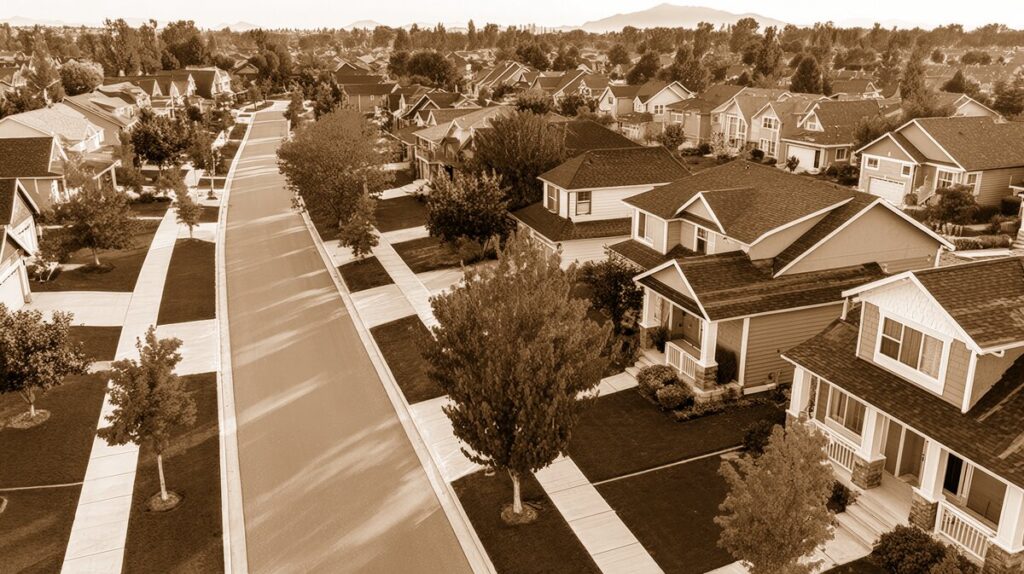
- Historic Homes: Venture down streets like Glade, Francis, and Walton Drives to spot ranch-style and craftsman homes that have faithfully served generations of Aggie families. Their large lots, mature trees, and welcoming porches add to the area's inviting charm.
How Central College Station Has Changed
Over the decades, Central College Station has evolved in ways both visible and subtle. As the university has grown, student housing has edged further into traditionally residential blocks, resulting in a lively blend of student, faculty, and family residents. The schools have modernized, yet retain their neighborhood focus. Churches and civic groups continue to foster a rich community spirit.
On Texas Avenue, once a quiet thoroughfare, you’ll now find an eclectic mix of old favorites and new enterprises—local restaurants, coffee shops, and boutique stores that cater to all ages. Rock Prairie Road, previously a rural boundary, now bustles with activity, providing gateways to newer developments without eclipsing the neighborhood’s history.
The city has also worked to preserve green spaces. Central Park remains a beloved sanctuary, while older parks like Brison Park (on Dexter Drive) have been maintained as cornerstones for outdoor gatherings and play. The tradition of neighborhood block parties, holiday parades, and “Howdy Week” celebrations persists, embodying the warmth and togetherness that define Central College Station’s way of life.
A Neighborhood’s Enduring Heritage
Ask any local, and they’ll tell you that Central College Station stands out for its balance of tradition and progress. Families who’ve stayed for decades will point with pride to their favorite trees, recount stories of Aggie game day tailgates, or recall the small businesses that have withstood the test of time. The neighborhood is not simply a place to live—it’s a living memory, shaped by every resident who calls it home.
That heritage is evident in the everyday: in the hum of students biking to class on Munson Avenue, the children laughing on the playground at College Hills Elementary, or the weekend crowds at a local restaurant along Southwest Parkway. Central College Station remains a welcoming front porch at the crossroads of Aggieland—a neighborhood whose history is still being written, one neighbor at a time.
Whether you stroll the shaded lanes of Glade Street or join a community event at Central Park, you’ll discover that the heart of College Station truly does beat here, where history and home come together.